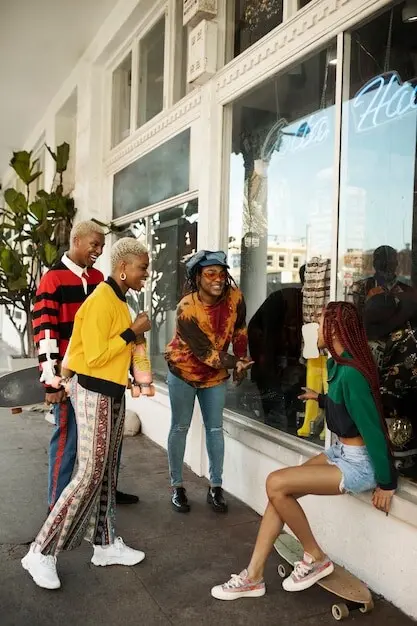



Pop-up Swap Nights
Host short, themed evenings with name tags, color-coded skill stickers, and a bell to rotate pairs. Mix demos, mini-lessons, and open tables. Invite a local musician or baker to create warmth, making learning feel festive rather than transactional.
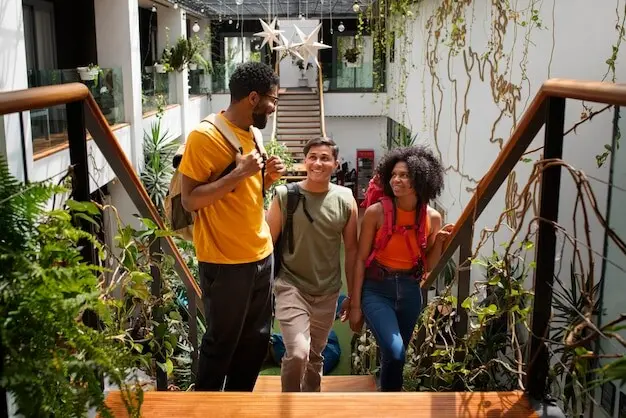
Online Bulletin Boards
Set up a clear, moderated board where offers and requests follow a simple template. Encourage updates after each exchange, highlighting takeaways and gratitude. Use categories, accessibility tags, and neighborhood zones to keep posts discoverable while discouraging spam or vague promises.

Accessibility and Inclusion
Offer childcare swaps, sliding time commitments, and quiet spaces. Provide large-print materials, captioned videos, and wheelchair-friendly layouts. Invite translators or bilingual volunteers. Ensure all roles, including hosting and setup, count as valuable contributions, so participation remains broad, dignified, and genuinely welcoming.