Neighbors Helping Neighbors, Supercharged by Smart Matching

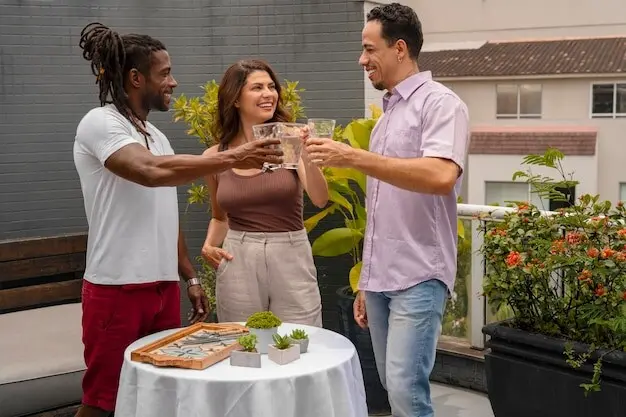
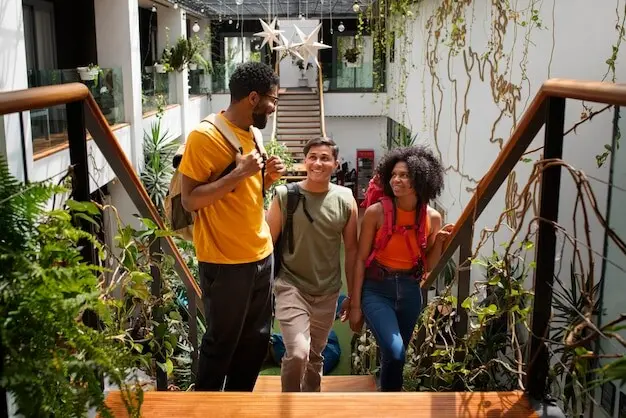
Today we dive into building an online platform that matches neighbors by skills and availability, turning overlooked talents and spare moments into practical support next door. We outline discovery, design, trust, matching algorithms, and growth playbooks so your block becomes kinder, quicker, and more resilient together. Share your ideas, volunteer stories, and questions, and subscribe to continue shaping what comes next.

Listening Before Coding: Mapping Real Neighborhood Needs

Great matching starts with empathy. Before wireframes, spend time discovering why neighbors ask for help, when they are free, and what holds them back. Gather stories beyond checkboxes so the experience mirrors real rhythms, trust thresholds, caregiving pressures, and cultural nuances invisible to spreadsheets.

Street-Level Research That Feels Like a Conversation

Skip scripted surveys and walk the block with open ears, joining association meetings and laundry-room chats. Ask about last-minute childcare scrambles, heavy packages, or leaky faucets. Capture motivations, fears, and delightful surprises that transform sign-up screens into familiar invitations rather than bureaucratic forms.

Personas Rooted in Everyday Constraints, Not Stereotypes

Build composite portraits from true patterns: the night-shift nurse who swaps tools on Sundays, the retiree with a legendary drill collection, the teen coder free after exams. Emphasize constraints, languages, and caregiving routines so matches honor reality, not wishful assumptions or polished slides.

A Pilot on Maple Avenue and What We Learned in Two Weeks

Two weeks on Maple Avenue, twenty households logged requests for ladder help, translation, and pet sitting. Ana borrowed a stud finder from Mr. Lewis; he gained help scheduling medical rides. Feedback highlighted evening availability, quiet-hour expectations, and a craving for respectful introductions before first messages.

Profiles and Calendars That Speak Human

Profiles should feel like a neighbor waving from the porch, not a résumé. Let people list practical abilities, comfort levels, and simple boundaries, then pair that with an availability calendar that respects shifting shifts, school pickups, holidays, and micro-windows between errands or rest.

A Friendly Skills Taxonomy That Reduces Friction

Group abilities into plain-language clusters such as quick fixes, tutoring, rides, translation, and companionship, then allow free-form notes for quirky talents. Suggest synonyms so sewing finds mending, and baking finds meal prep, preventing missed matches created by vocabulary gaps or modesty.

Availability That Mirrors Real Life, Not Perfect Grids

Life rarely fits perfect slots. Offer rolling windows, recurring patterns, blackout dates, and one-tap status like available after dinner or free while kids nap. Respect time zones, daylight changes, and religious observances so commitments hold, plans stick, and expectations remain kind.

Trust You Can Feel: Safety, Reputation, and Care

Neighborly help thrives on trust more than pixels. Bake in respectful verification, visible accountability, and low-friction safety practices that reassure without scaring. The right signals invite kindness while deterring abuse, creating confidence to say yes and delight when help arrives.

Matching Logic That Respects Distance, Time, and Dignity

Effective matching blends proximity, availability, skills, and preferences, then honors boundaries. The model should explain its choices in plain language, suggest nearby alternatives when needed, and gracefully reschedule around life’s surprises so goodwill remains intact even when plans shift.

From First Ten Matches to a Thriving Block

Sustainable Operations Without Selling the Soul

Financial health matters, yet community trust is priceless. Design contributions, memberships, or grants that protect access, avoid pressure, and reinvest locally. Communicate where funds go, publish open metrics, and invite stewardship so neighbors feel ownership rather than extraction or hidden tradeoffs.

Value, Not Paywalls: Thoughtful Contribution Models

Experiment with optional donations, pay-it-forward credits, and local sponsorships for supplies like tools or transit. Keep core features free. Offer value-add services, not paywalls, and celebrate community-funded wins transparently so supporters see direct impact and newcomers never feel second-class.

Partnerships That Amplify Care

Partner with libraries, mutual aid groups, clinics, and housing associations. Trade visibility and training for space, outreach, or mini-grants. These alliances strengthen safety practices, diversify participation, and anchor the platform within existing care networks neighbors already trust and understand.


Temitelifari
Privacy Overview

This website uses cookies so that we can provide you with the best user experience possible. Cookie information is stored in your browser and performs functions such as recognising you when you return to our website and helping our team to understand which sections of the website you find most interesting and useful.